
Conventional, aerobic, and sewer connection installs — fully permitted, code-compliant, and built to last.
Whether you’re building new or replacing a failed system, Fletcher Septic & Utilities installs the right system for your soil, your lot, and your property’s needs. We handle the full process — site evaluation, TCEQ-compliant permitting through Henderson County, install, inspection, and final walk-through.
In Texas, every septic system requires a permit and a licensed installer. We work directly with Henderson County’s permitting authority and follow TCEQ standards on every job. No shortcuts, no missed inspections, no surprise change orders.
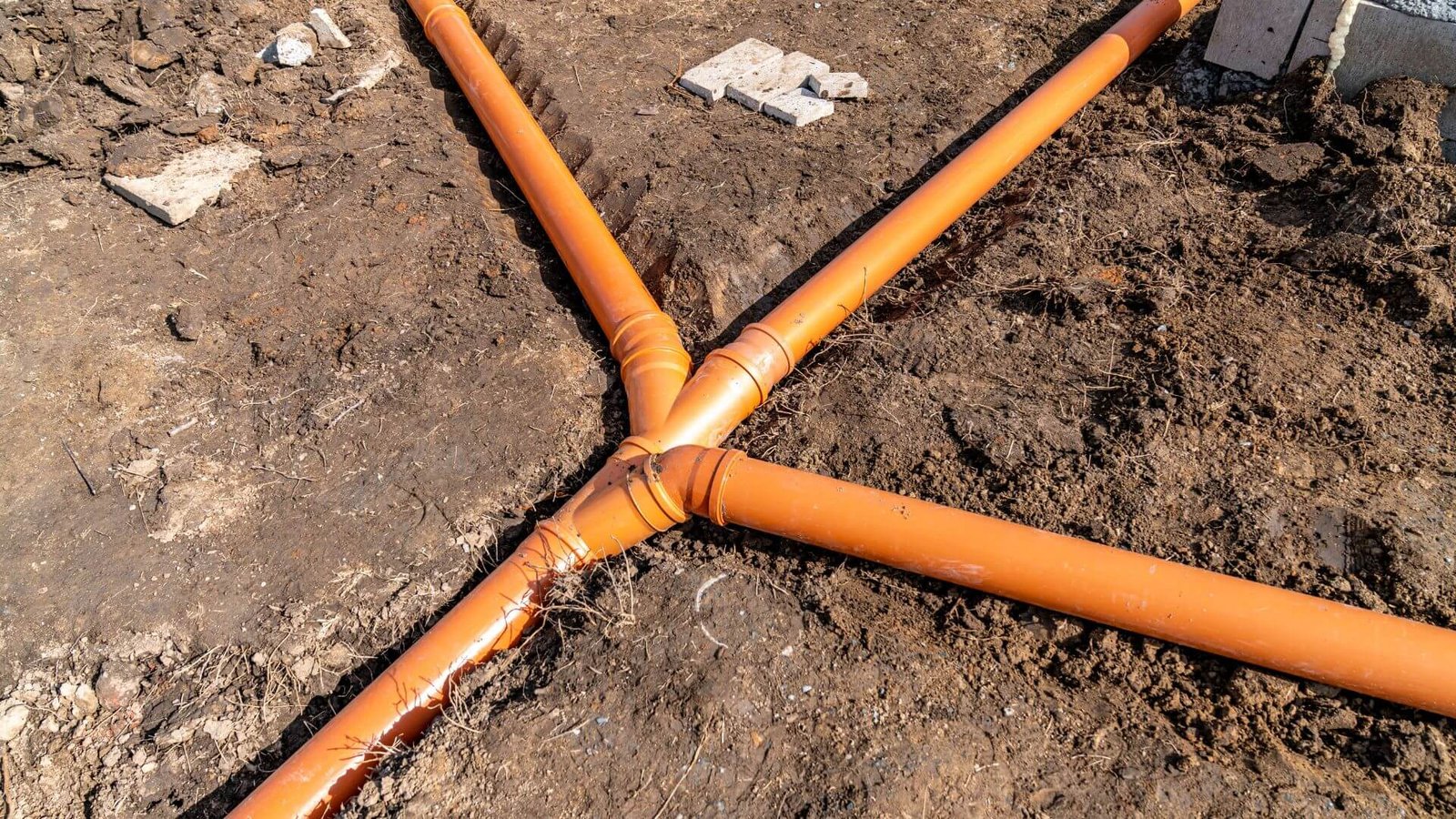
Septic tank + drainfield, ideal where soil percolation is good
Required where soil drainage is poor or lots are smaller. Includes spray field setup and TCEQ-approved equipment.
Tie-in service for properties inside city limits where public sewer is available
When an older system has reached end of life
Yes. Texas requires a permit for any new septic install, repair, alteration, or extension — issued by the local authorized agent (in our case, Henderson County) under TCEQ rules. Operating without one isn’t legal, and we handle the permit paperwork as part of every job.
Conventional systems use a septic tank and a gravity drainfield — they’re cheaper and lower-maintenance, but they need soil that drains well. Aerobic systems treat the wastewater more aggressively before spraying it on the surface — they’re required when soil percolation is poor or the lot is small. We’ll tell you which applies after the site evaluation.
Most residential installs take 2–5 days of actual work. Total project time including permitting is usually 2–4 weeks from first call to final inspection — depending on county turnaround.
Yes — Texas requires a maintenance contract on every aerobic system, with inspections every four months (or every six months if the system has electronic monitoring). We can recommend a licensed maintenance provider in your area.